

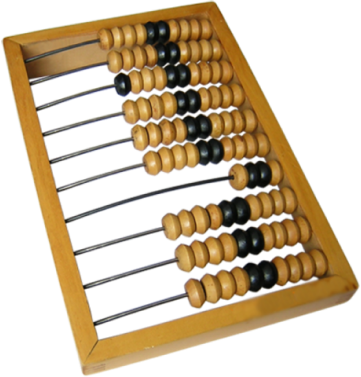
Since the moment of savings offices establishment on December 26, 1922, for many years ahead the main calculation tool of a savings office was abacus. Depositors' current accounts have been recording in books and the customer was given a very important document – savings bank book.
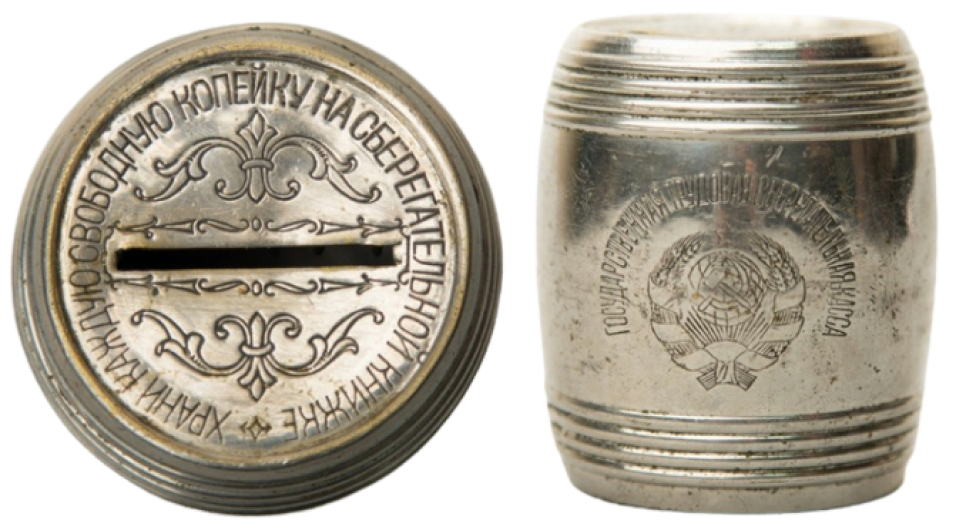
Everyday use saw appeared money boxes sold by savings offices
where besides their keys stayed for safekeeping. To calculate
the coins, money boxes holder either came to the savings office
or called its officer to his/her place. Money collected
in
money boxes were recorded in a savings
bank book.
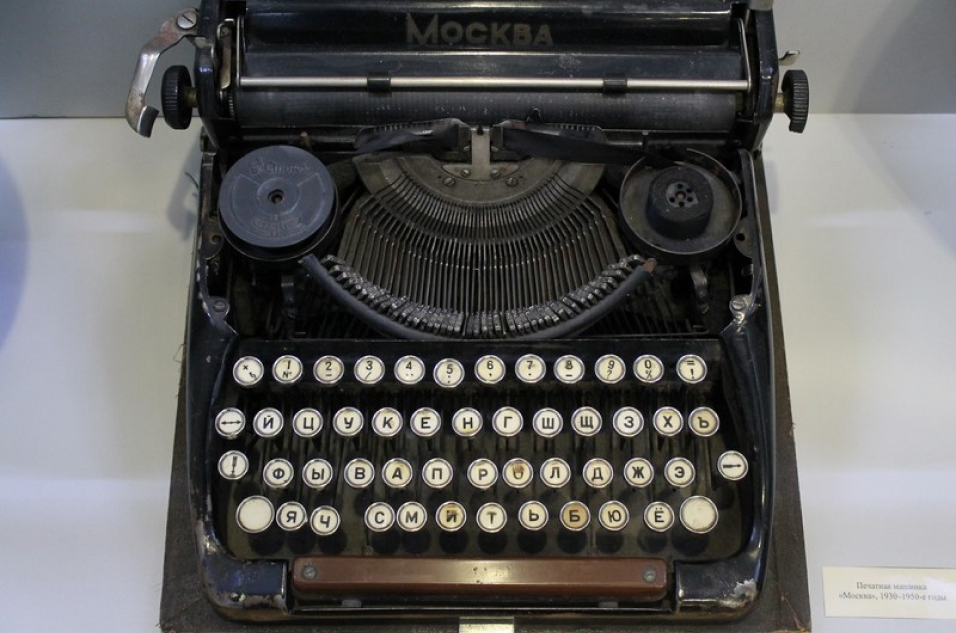
The structure of card index files began improving, current
accounts recording was switched from books to card records that
were often filled
in using typing machines.
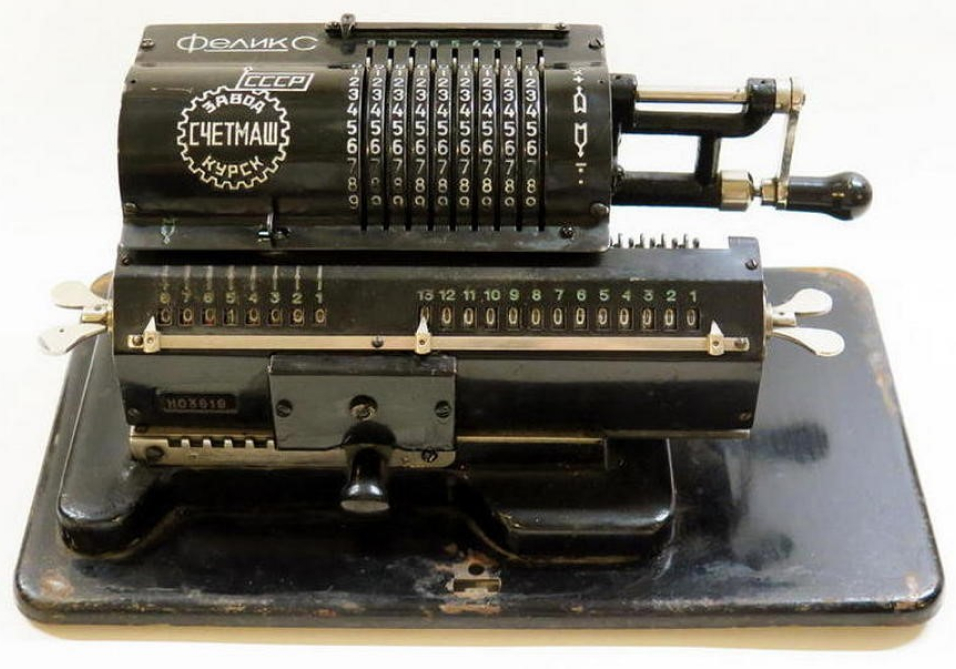
From the late 1920s, in savings offices abacus gradually was
replaced by arithmometers. Felix was the most widespread
arithmometer in USSR, it was named after Felix Dzerzhinsky. It
had been being produced since 1929 to 1978 with total
circulation of several million machines. Totally, more than two
dozens of modifications were created. To make calculation,
mechanical arithmometer's handle had to be turned
according
to certain rules.
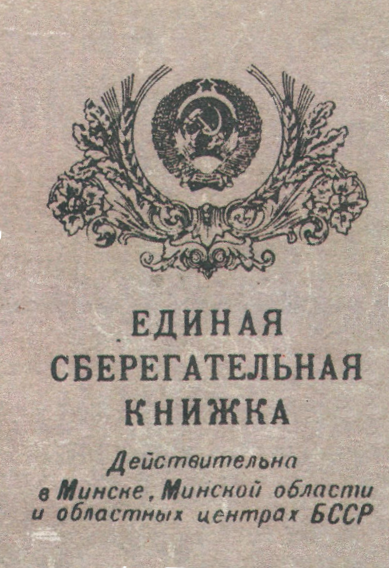
One of the novelties became so-called united savings book –
special form of a savings book through which it was possible to
deposit and withdraw money at any savings bank within
a
certain territory.
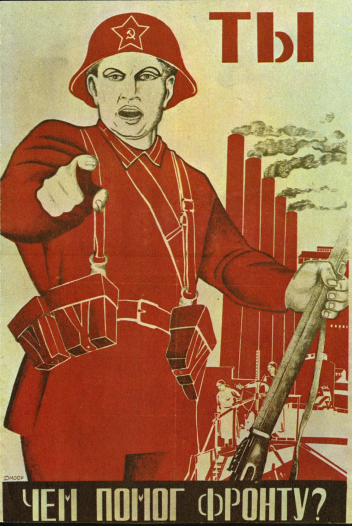
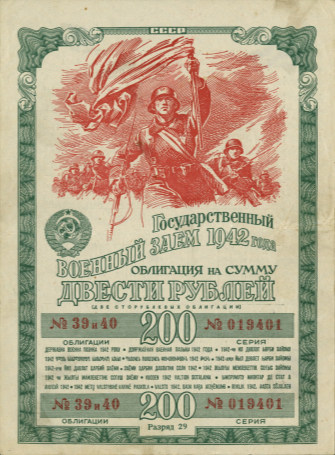
On June 23, 1941, temporary restrictions were implemented to the
return of prewar deposits (canceled in January 1944), at the
same time,
the calculation procedure was simplified
–
the deposits could be obtained upon presentation of
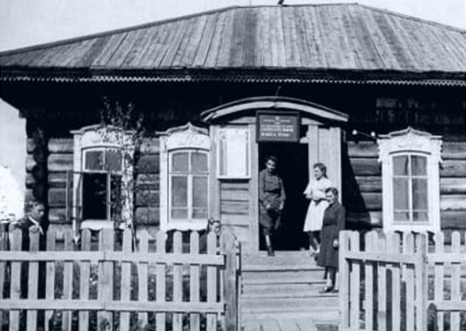
a savings bank book. Field savings offices were arranged. They
performed acceptance and return of deposits directly at the
front lines.
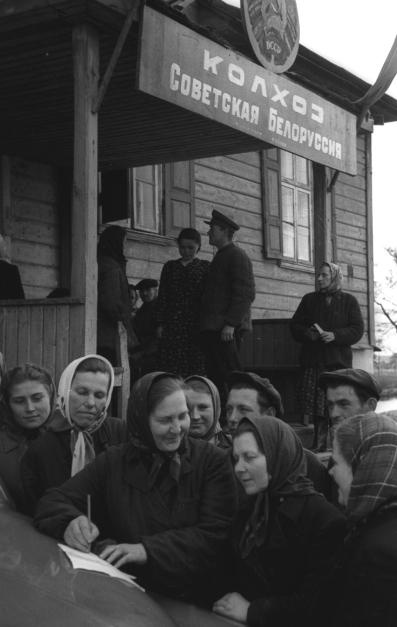
Due to the Monetary Reform, a network
of savings bank
branches was expanding,
especially in rural area.
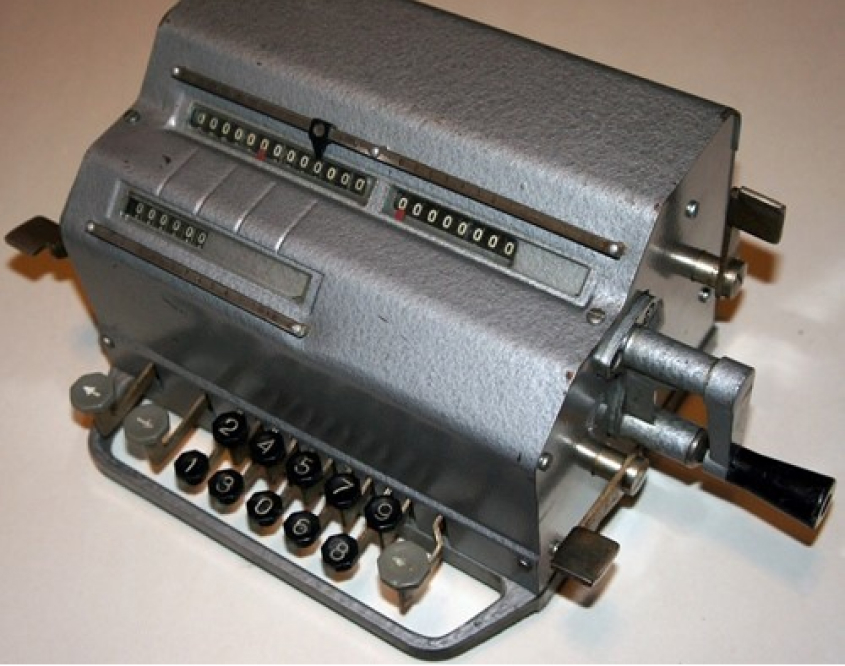
Improved VK-1 arithmometer became available
to the
employees. There small levers were replaced by a keyboard with
ten keys for inputting a number. Only due to the application of
keyboard entry, the performance of VK-1 tripled
in
comparison with Felix.
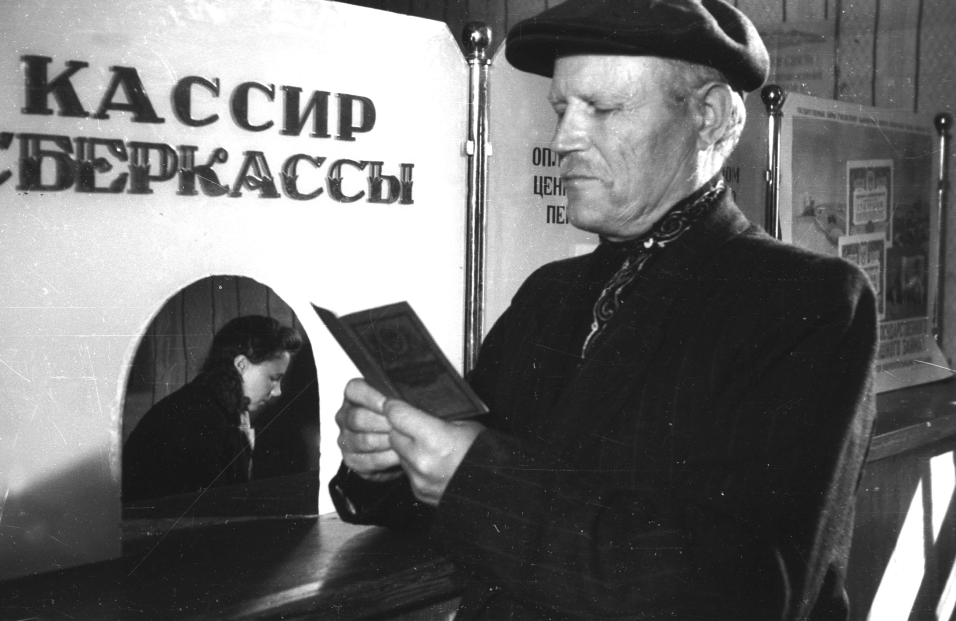
Savings offices began crediting funds to accounts through cashless funds transfer.
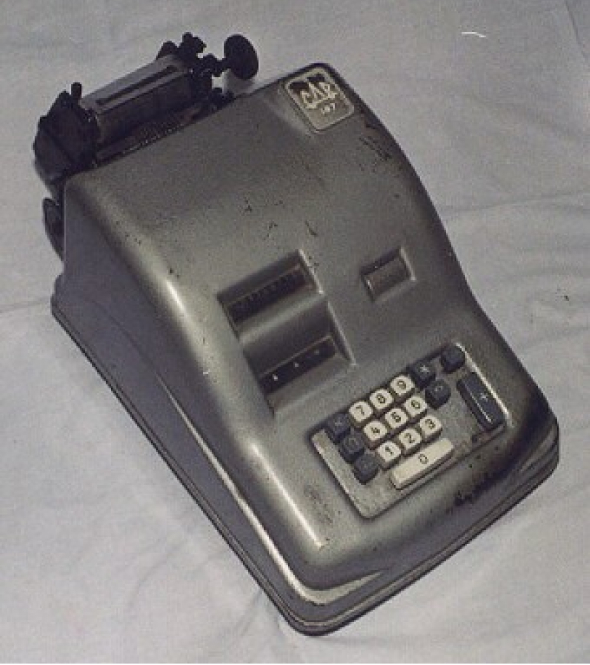
During the 1960s, the fleet of calculating machines tripled including SVD-107 single meter calculating machines.
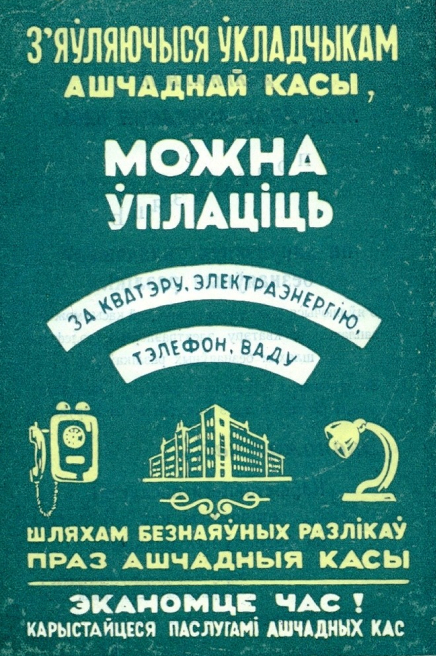
In 1963, employees of savings offices implemented in their work
a new business process to accept payments. Actually, for the
first time
the attention was put to the
development
of cashless transfers. Over
year,
their amount increased by 20 %.
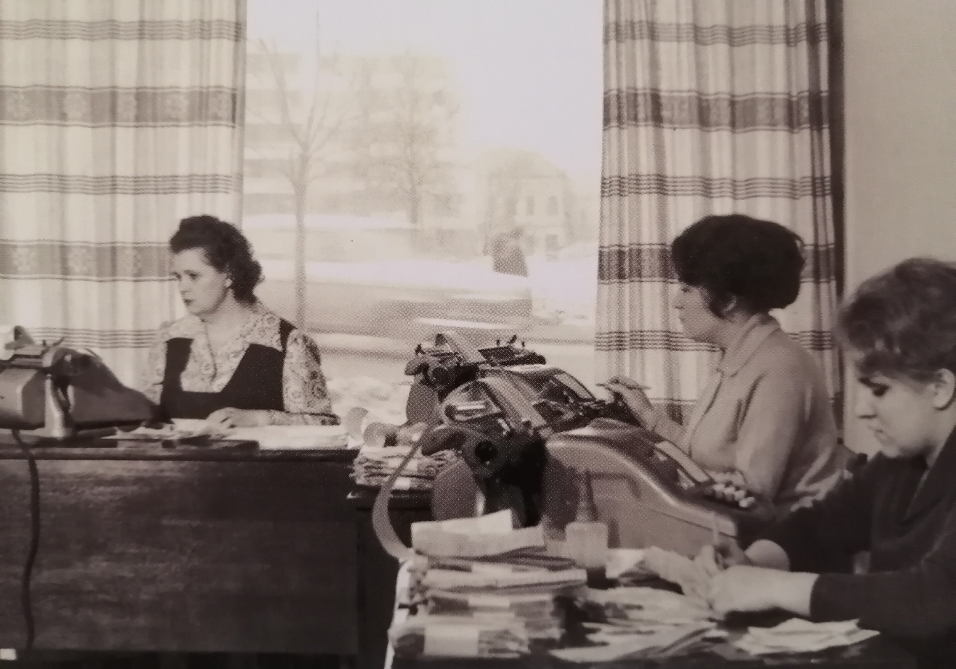
In 1970, the experiment was started to pay salaries through savings offices at the Belarusian Automobile Plant in Zhodino.
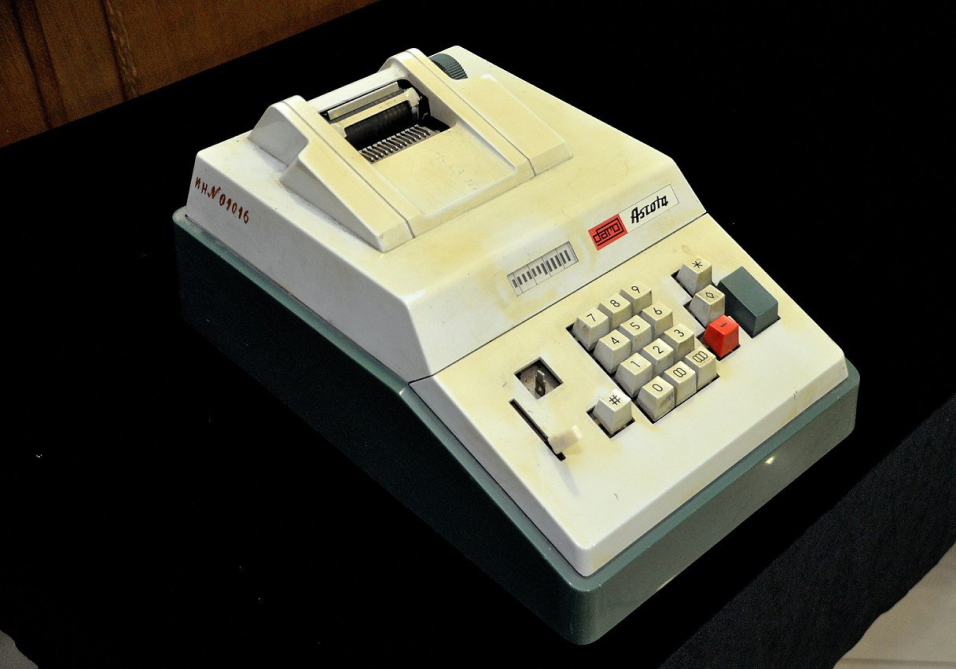
Savings offices were equipped with electromechanic adding
machines “Ascota”. Using them, the employees made entries in
operational journals, current accounts, savings bank
books
and orders, carried out record keeping of
deposits by their types with accrual of interest.
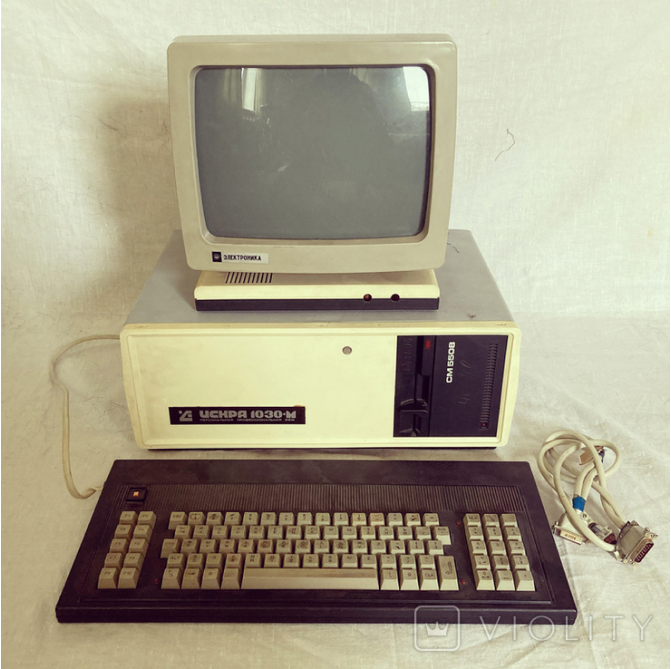
Savings offices were equipped with first personal computers of domestic production: Iskra1030M, ЕС-1840, PTK SB-1.
The first Local Area Network was created
at the
Savings Bank (LAN) for 30 working places.
Savings Bank branches started to provide integrated services for
entities of different
forms of ownership, firstly,
small and medium enterprises.
The banks
introduced
"Operation Bank Day" Software.
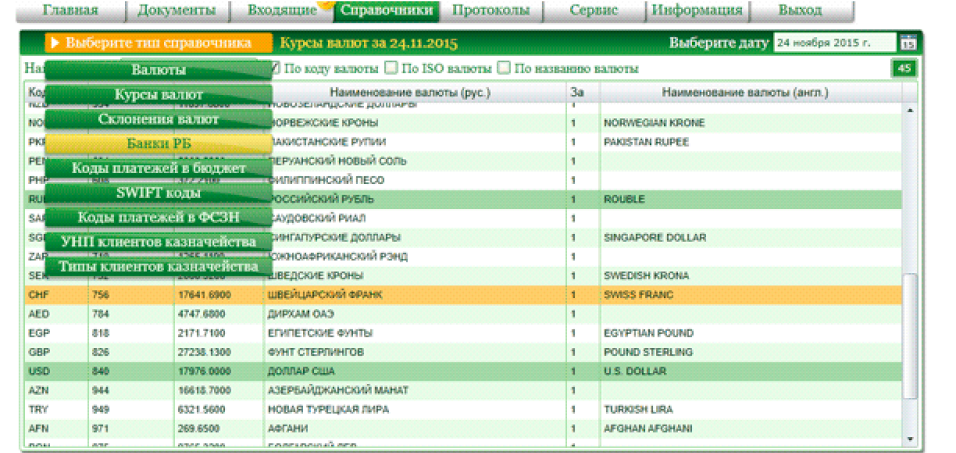
The Client-Bank system was introduced.
The bank installed a specialized equipment
for work
with products of Eurocard/Mastercard
in real-time
mode.
Interbranch Settlement Center (ISC)
was commissioned
for operation which allowed
to manage payment flows,
perform payments among the bank's customers according
to
the schedule "on a same day basis".
The
Government of the Republic of Belarus elected Belarusbank as an
authorized body for implementing government programs of housing
construction and development of agricultural sector. A new area
of activity was the implementation of the national
budget
on incomes within the system of one bank
and creation of a single mechanism for collecting
and accounting payments into the budget.
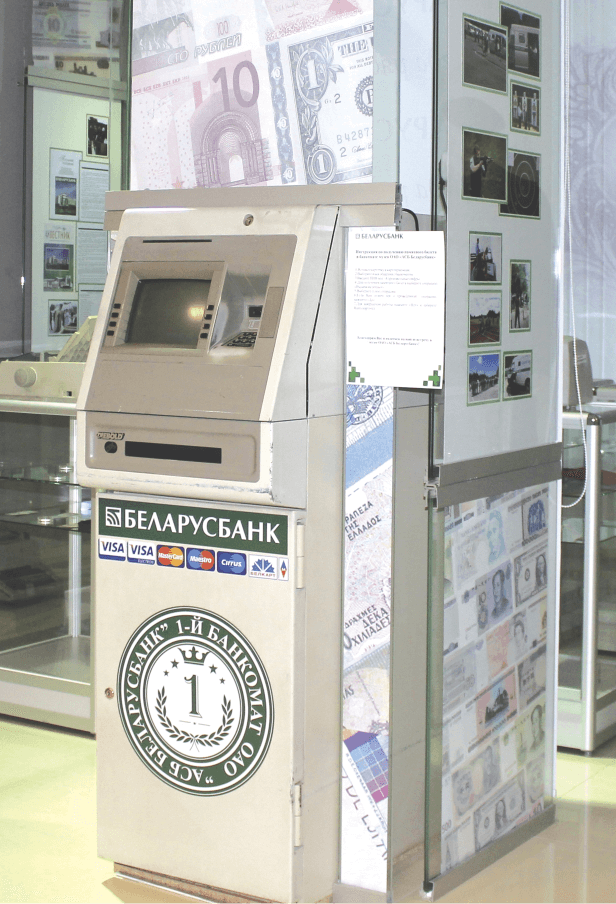
In Belarusbank, the first ATM appeared in 1998. Now it is in the
Museum of the History of Savings Business and is still working:
it will easily accept
a payment card and issue a
souvenir ticket.
It will not work to pay for anything
and even view the balance, because it is not connected
to
the banking processing system.
The Bank became a principal member
of VISA
International.
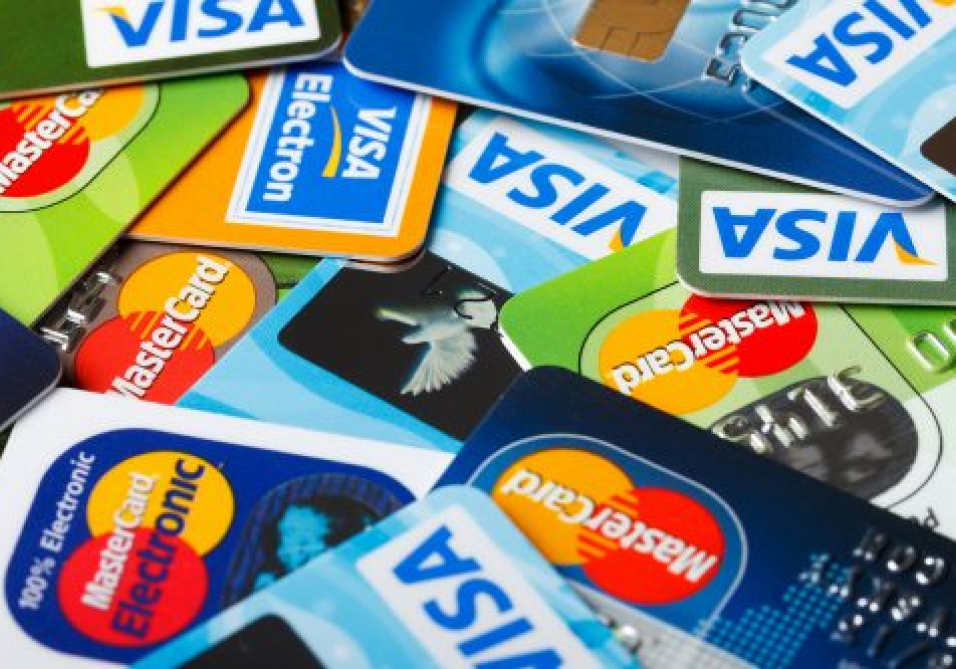
Belarusbank issued 1,000,000 plastic bank cards.
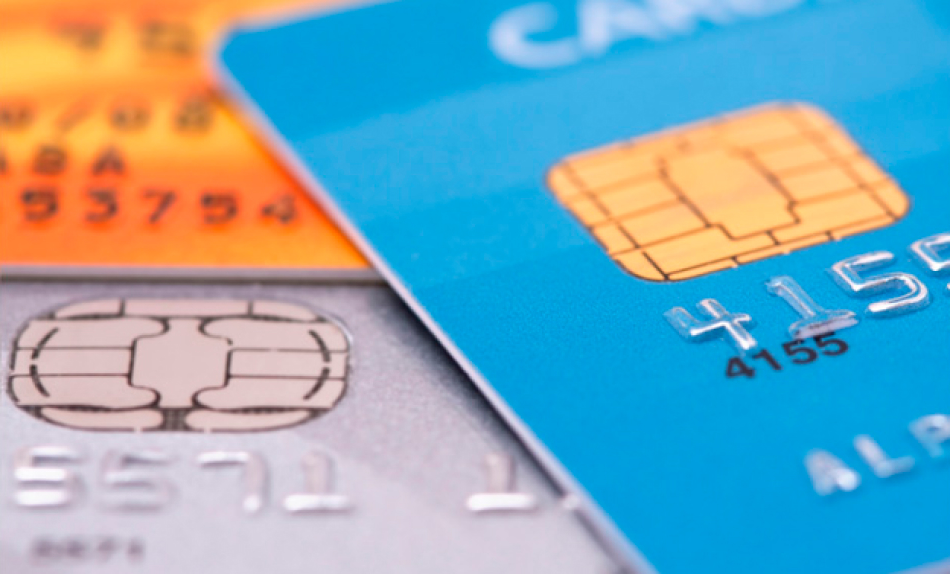
Belarsubank issued the first in Belarus VISA EMV chip Card.
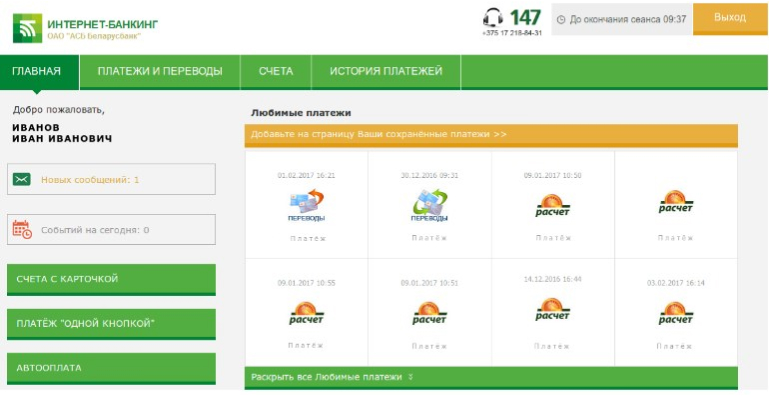
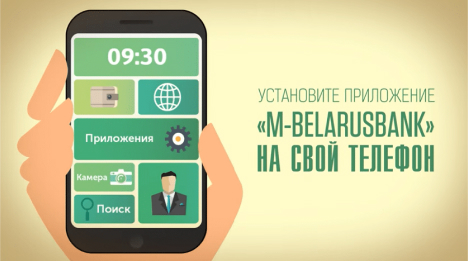
In August, the bank offered new M-Banking service.
The
Belarsubank cardholders got
a remote access to their
card account through Internet to make payments and obtain
necessary information Online via new Internet-banking service.
In October, the Bank issued a new card product – BELKART-M and
Visa Electron chip saving cards.
By the end of
the year, 70 % of the bank’s branch offices were
connected to the centralized data warehouse on transactions
of individuals, allowing to individuals to perform transactions
on their deposit accounts in any region of the Republic
regardless of the location of an account opening.
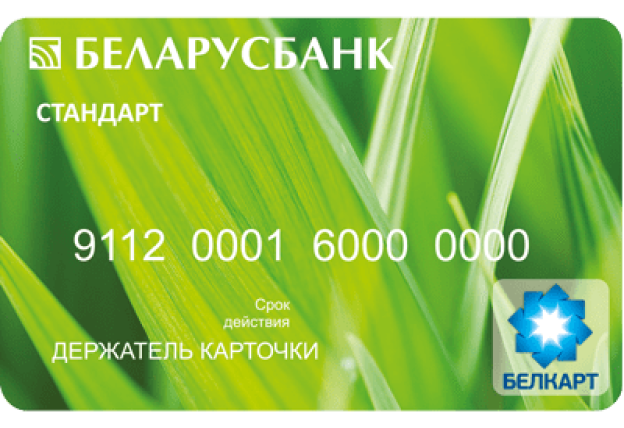
The Bank overcame the four millionth milestone for the plastic cards issue. As of January 1, 2010, 4.9 million cards were in circulation, in addition, the bank overcame two millionth milestone for BELKART national payment system cards.
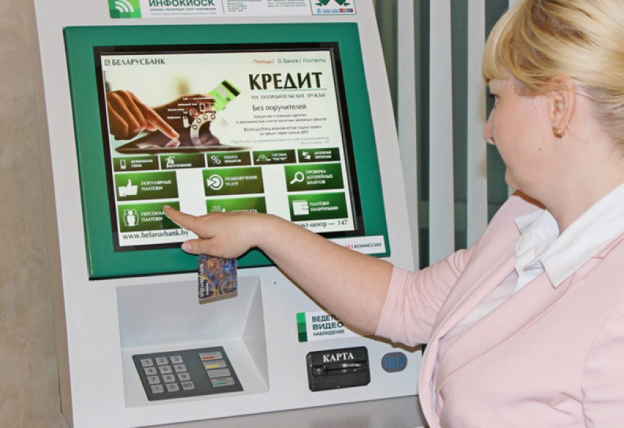
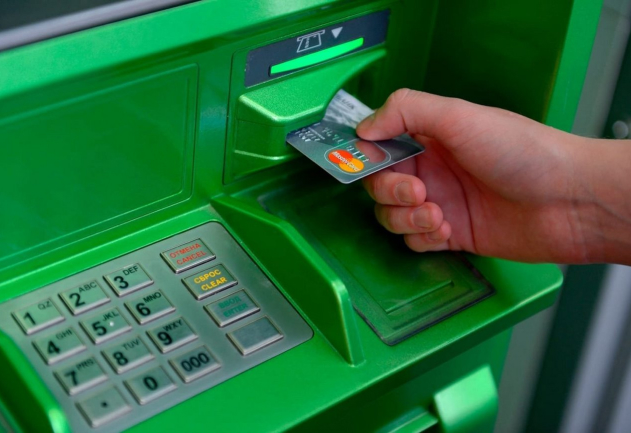
In August, Belarsubank achieved the next in turn significant
milestone in card business after having installed the thousandth
ATM within the territory of Belarus.
Belarsubank
proved its leading position
in the field of
development of electronic payment system using plastic cards by
installing the twenty-thousandth POS-terminal and two-thousandth
infokiosk.
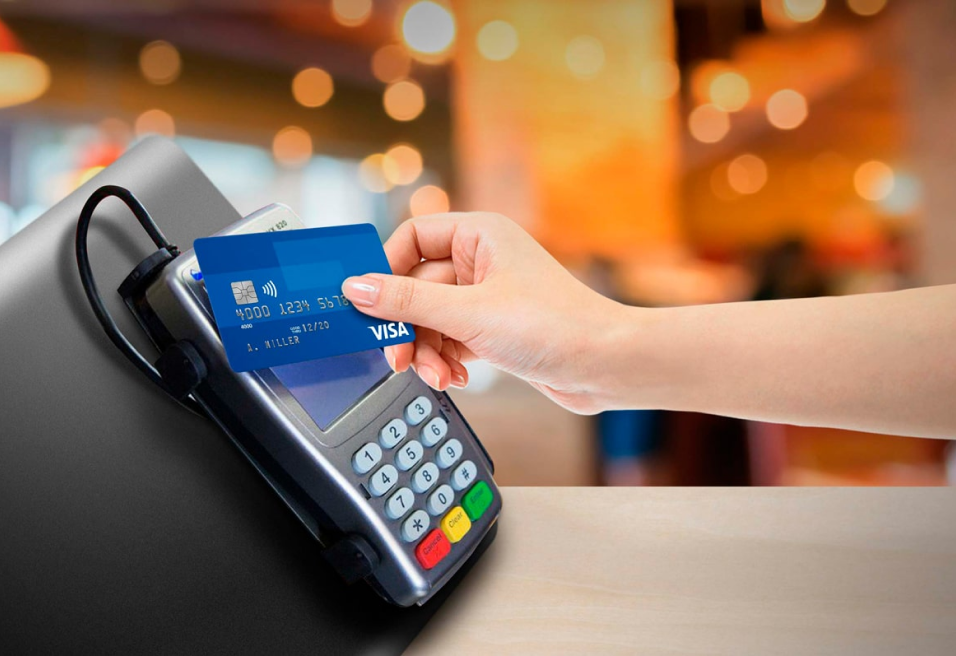
Belarusbank became the first country's bank
to obtain
a certificate for acquiring of contactless cards in the Republic
of Belarus (Visa payWave).
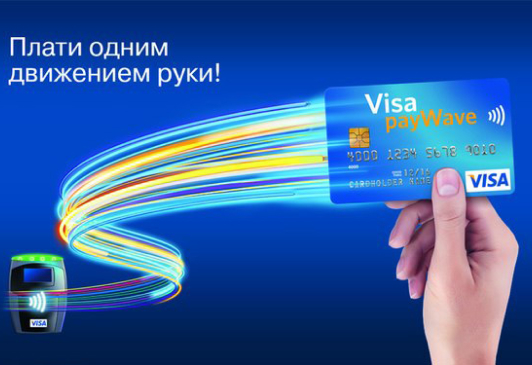

In March, Belarusbank began to install terminal equipment to
maintain Visa Electron contactless cards with payWave
technology.
In May,
the number of
users of Belarusbank remote banking services surpassed 1,000,000
persons.
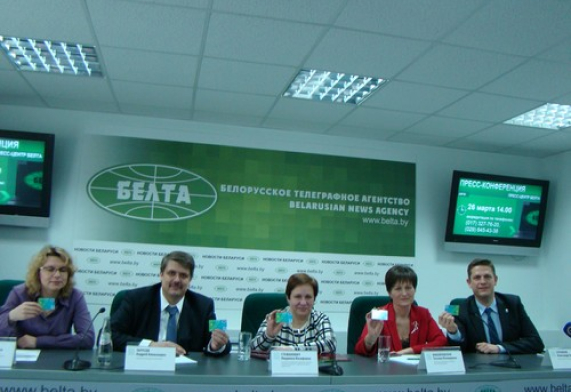
Belarusbank presented new co-branded
Belkart-Maestro
card allowing to use it abroad, –
new product on the
market of payment bank cards of Belarus.
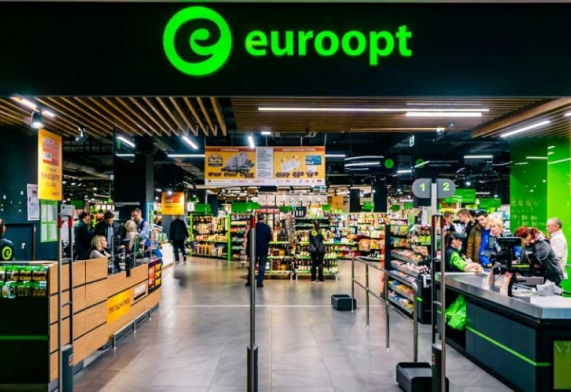
Belarusbank
payment cards of either payment system became discount cards in
Evroopt trade network.
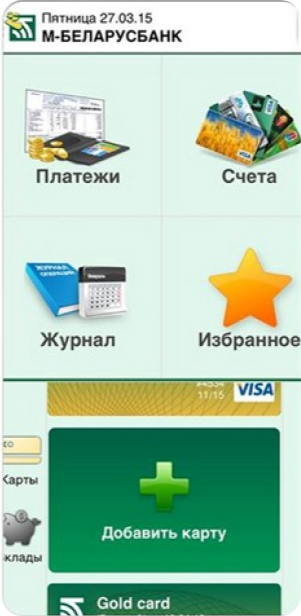
Belarusbank was the first in Republic to provide the customers
with the possibility to transfer money through phone number. New
service became available for the Bank's card
holders
– MBanking service users.
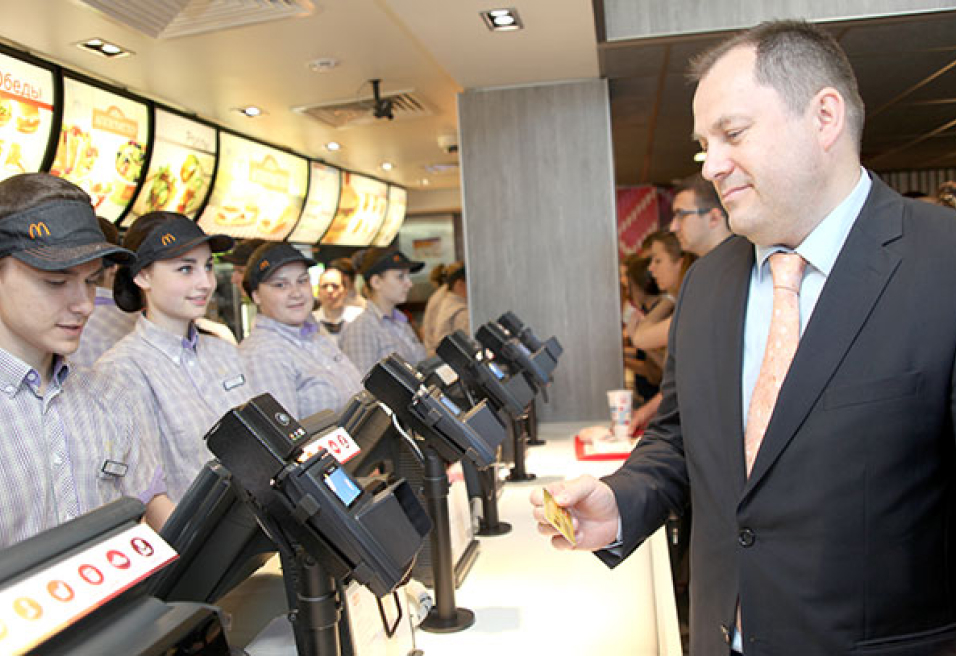
Belarusbank implemented common project in partnership with McDonald’s and MasterCard. Belarusbank installed corresponding terminal equipment for Masterсard PayPass contactless technology within the chain of restaurants.
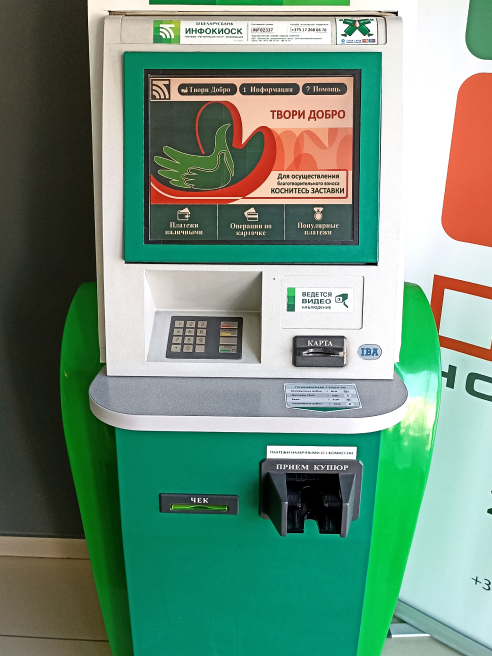
Belarusbank offered a new service for individuals – repayment of loans in cash through the bank's infokiosks using Cash-in function.
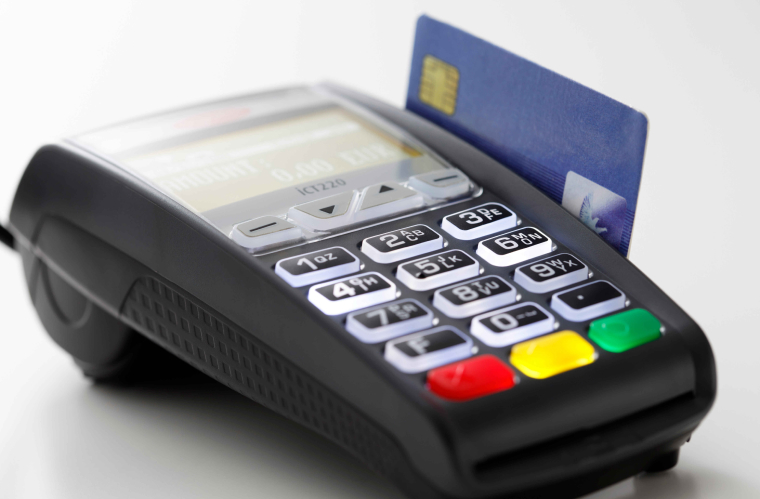
Belarusbank installed the fifty-thousandth
POS-terminal.
Belarusbank in cooperation with Beltelecom Republican Unitary
Enterprise and Assist Belarus Company of Electronic Payments
implemented service for payment of connection to Internet
network through Wi-Fi access points located
in public
places using bank cards.
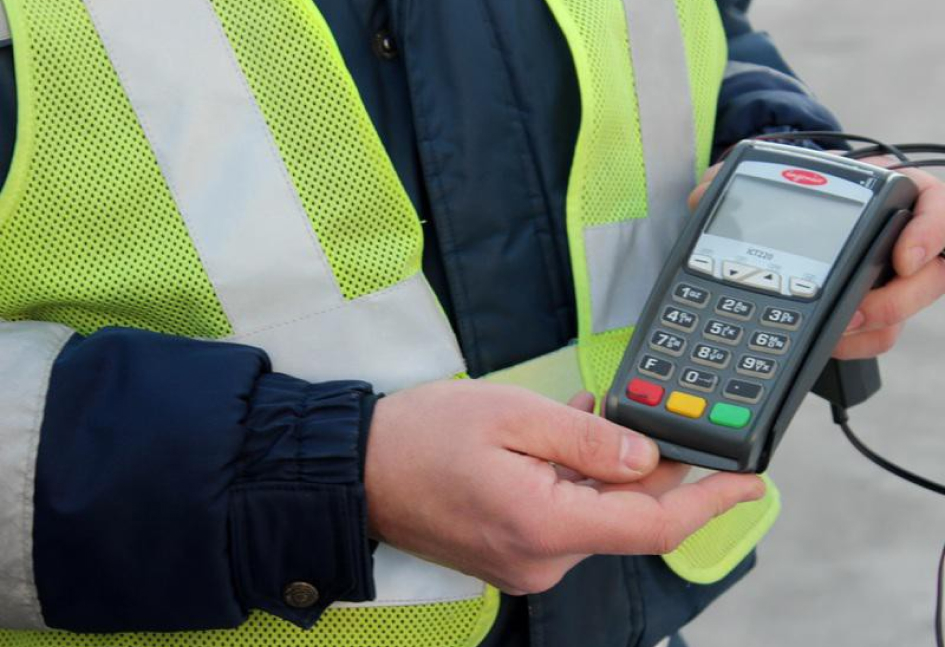
Belarusbank equipped with POS-terminals more than 300 vehicles of Road Safety Units all across Belarus.
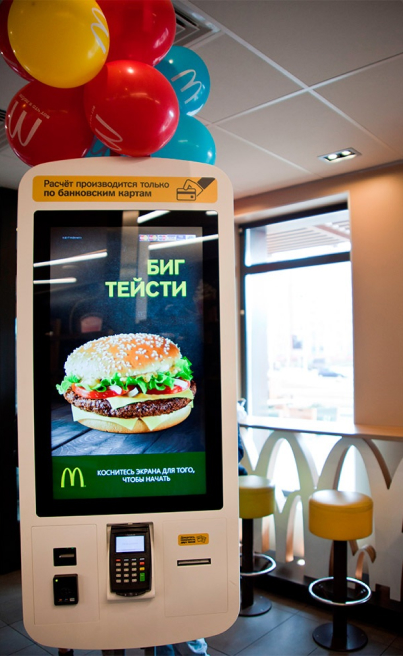
With participation of Belarusbank, McDonald’s Belarusian
restaurant chain installed special infokiosks intended for
ordering and payment
of orders using bank payment
cards.
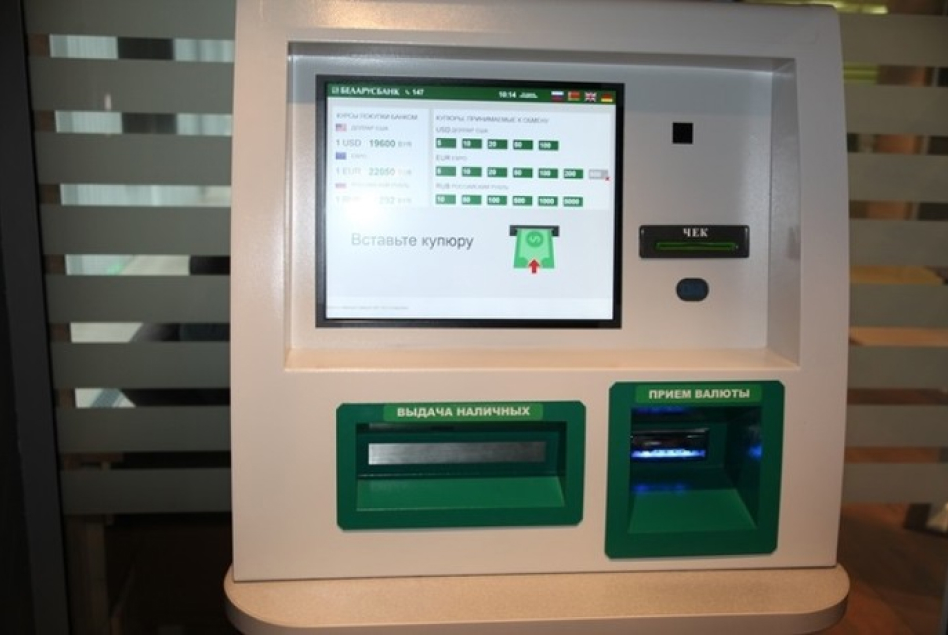
Belarusbank installed the first Belarusian
currency
exchange terminal.
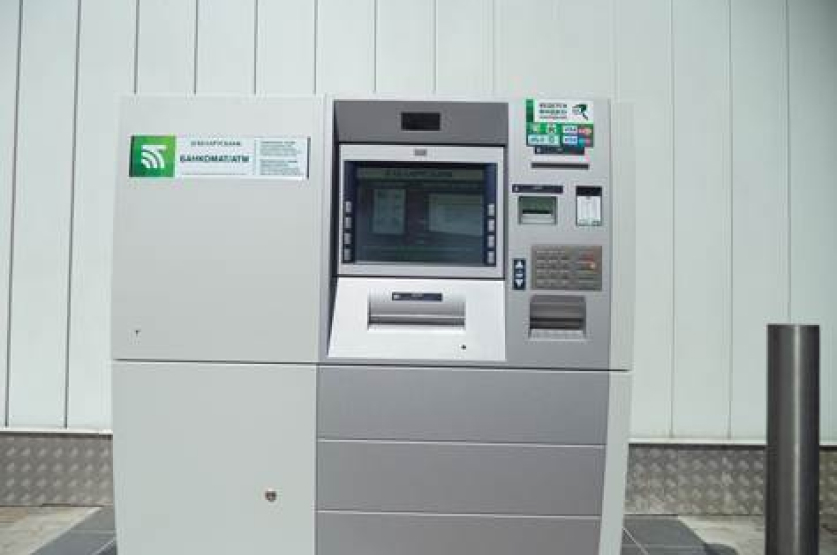
Belarusbank installed the first ATM for drivers.
Belarusbank was the first in CIS countries
to launch
a new innovative product –
Internet-bonds.
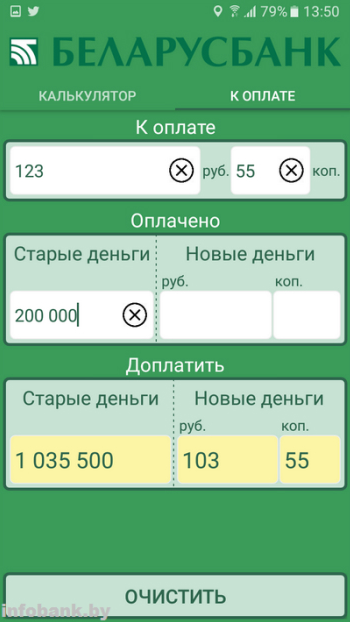
The Bank launched "Denominator Calculator" mobile app.
Belarusbank in partnership with Belarusian Railway launched a
new technology – purchase
of electronic tickets for
international traffic trains.
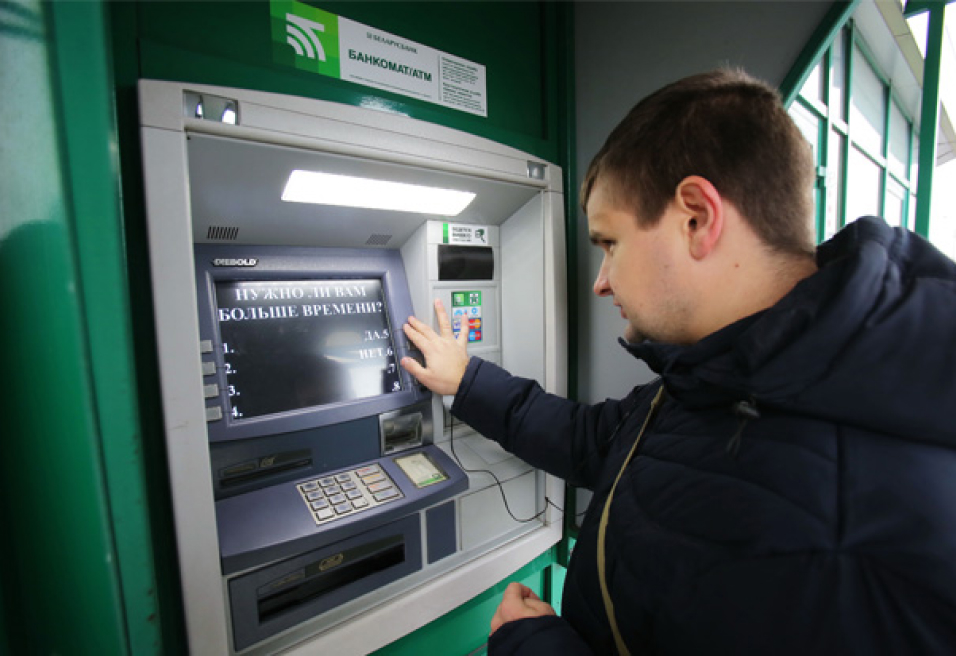
For visually impaired users Belarusbank installed an ATM in Gomel equipped with a special voice information reporting system.
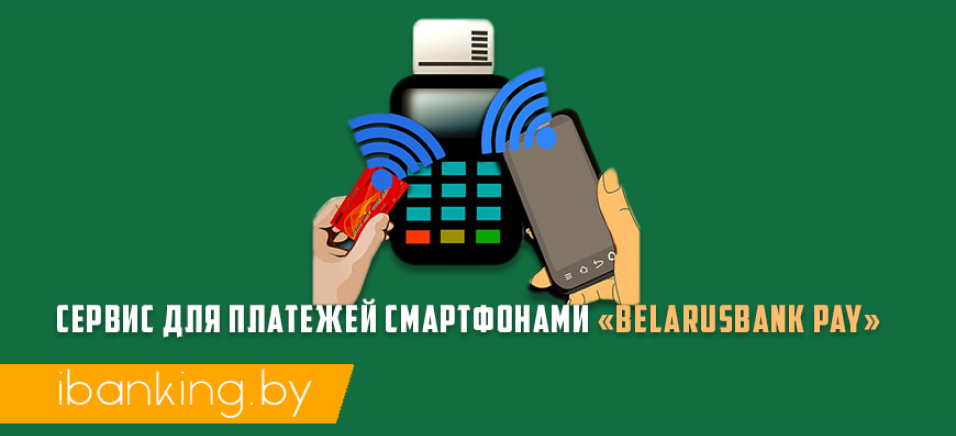
Belarusbank introduced a mobile payment service Belarusbank Pay for its customers, allowing holders of Mastercard or Maestro payment cards to perform contactless payments using their smart phones.
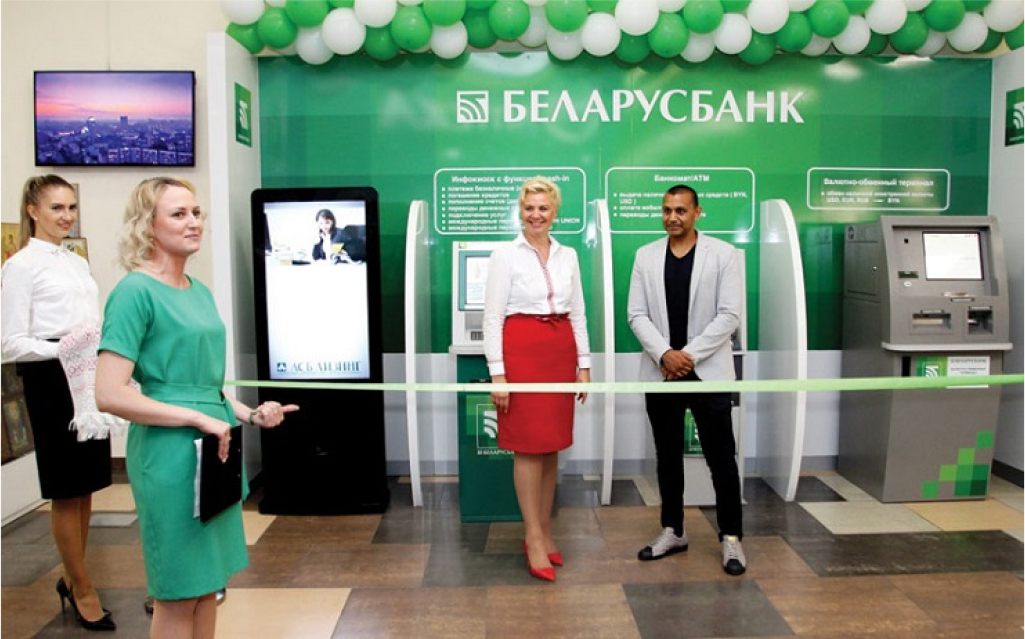
In Dana Mall Shopping and Recreation Center Belarusbank opened
the first self-service point
in addition to standard
self-service devices
(ATM, infokiosk), the bank's
first currency exchange terminal with function
of
paying in coins is located here. It allows customers to exchange
dollars, euros,
Russian rubles for Belarusian rubles
using cash.

The Bank started providing the remote customer support for the Client-Bank (WEB) users.
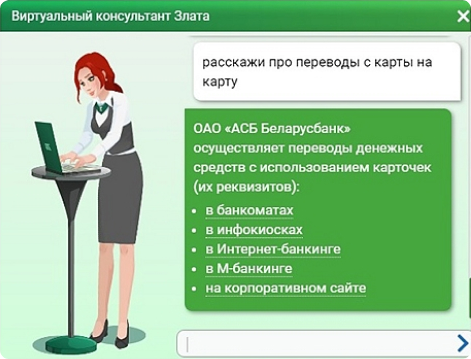
Virtual consultant Zlata appeared on the Bank's corporate web-site.
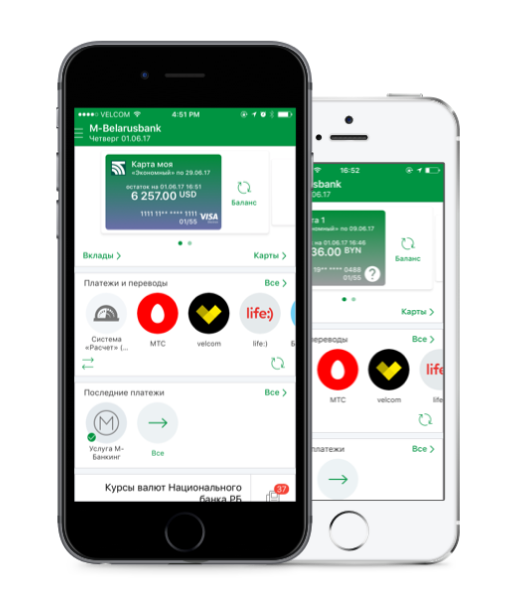
Android system based Smart phones users
got the
possibility to open Internet-deposits
in MBanking
mobile application.
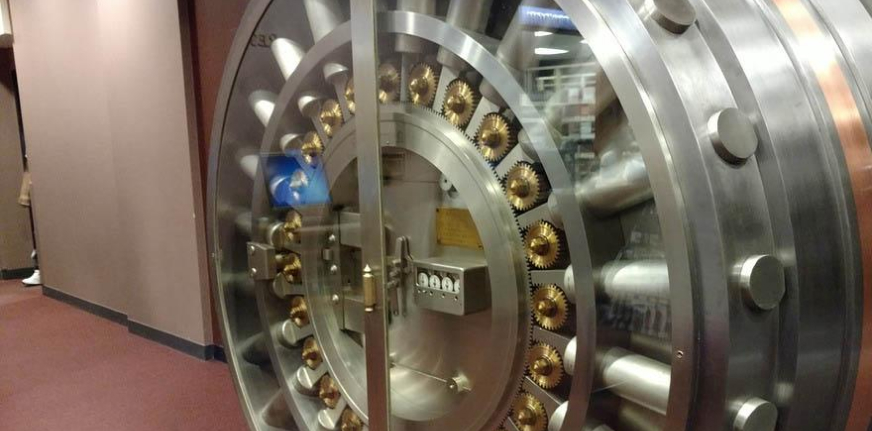
Belarusbank Depository was the first
in the country
to provide the possibility
of remote customer
servicing.
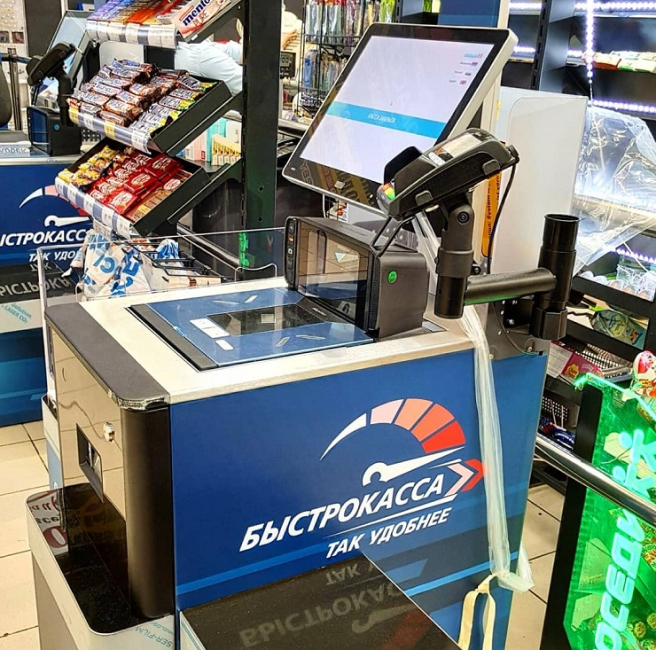
The Bank became an acquirer bank in the project of the Sosedi trade network to launch selfcheckouts.
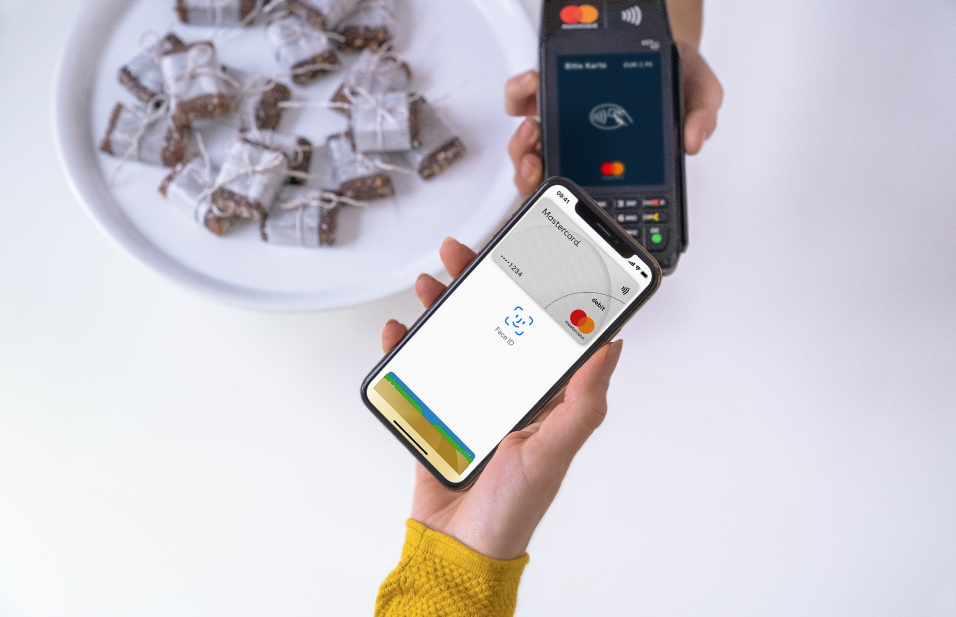
Belarusbank Mastercard and Visa card holders
got
access to the Apple Pay service.
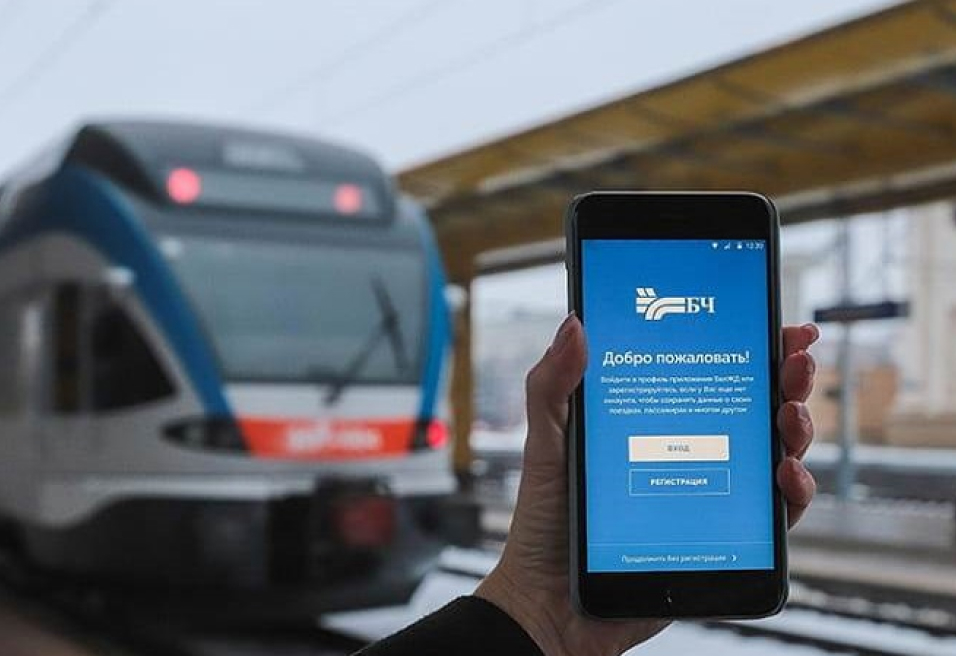
Belarusbank in partnership with Assist Company provided the
opportunity to pay Online for train
trips using the
"Belarusian Railway. My train" mobile application.
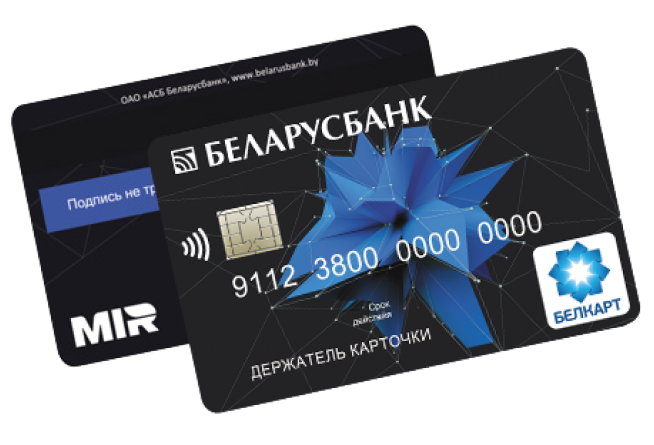
The Bank started providing services
for cards of Mir
payment system.
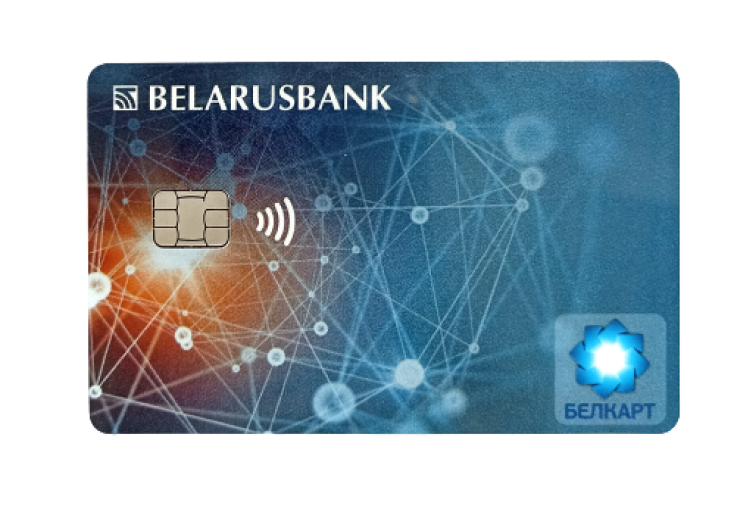
The Bank began to issue BELKART cards
with EMV
microprocessor.
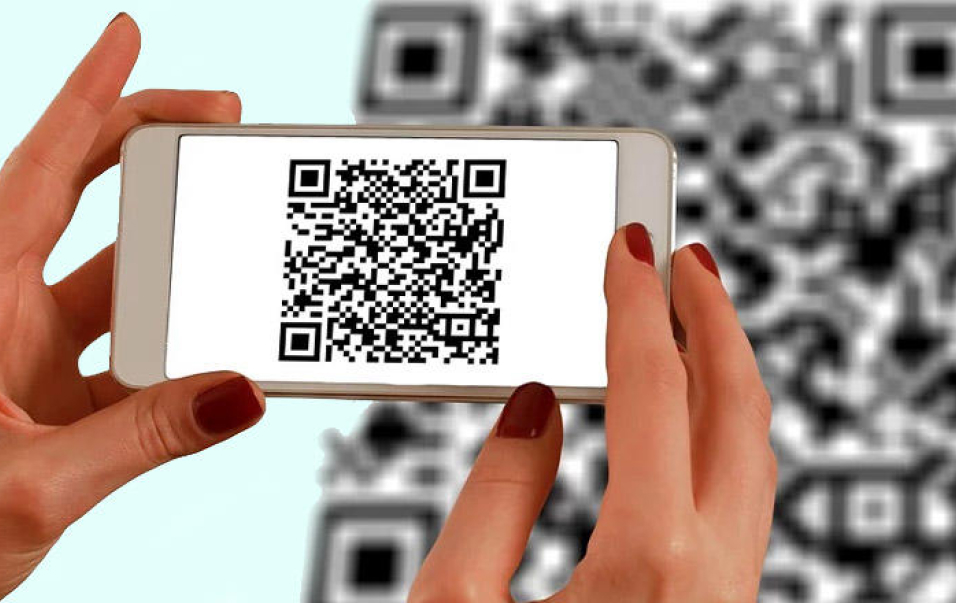
Belarsubank and Cashew fintech startup launched an innovative payment method using QR code.
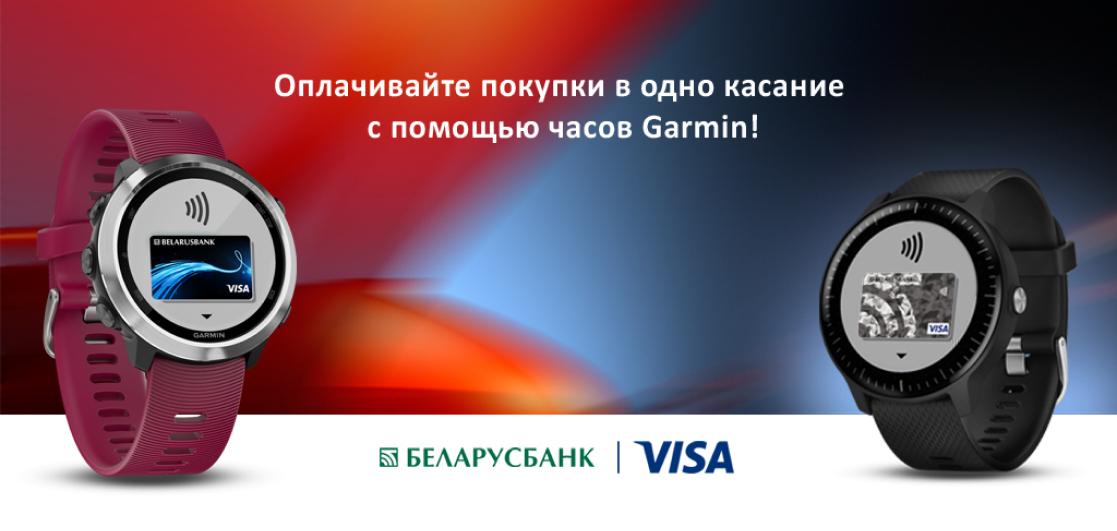
Belarusbank Visa and Mastercard card holders
got
access to the Garmin Pay payment service allowing to make
purchases using Garmin watches without using a payment card or
mobile phone.
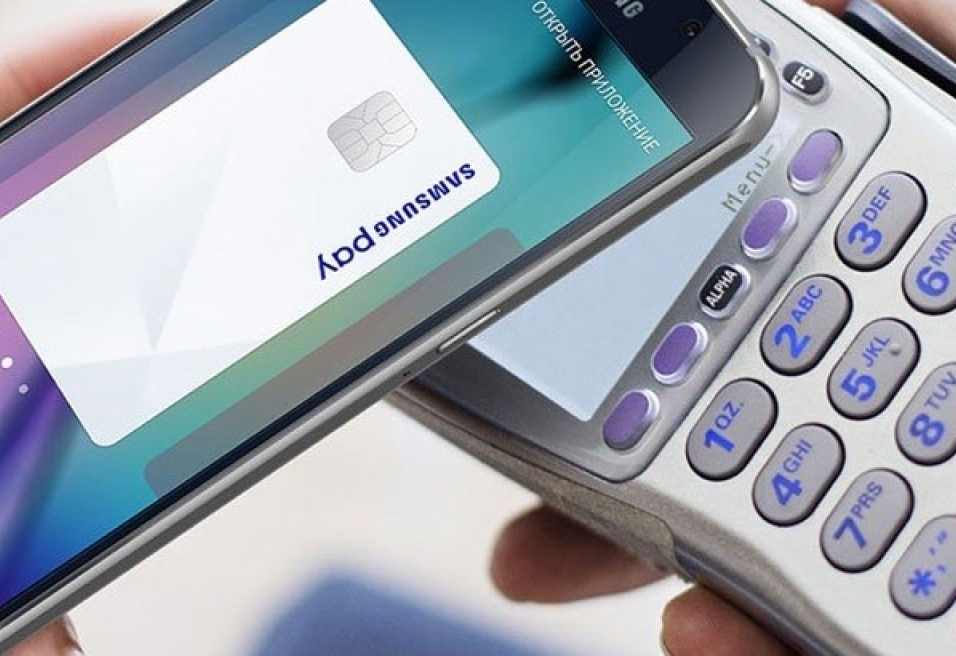
Samsung Pay became available from
the above-mentioned
year for Belarusbank Visa, Maestro and Maestro co-branded card
holders.
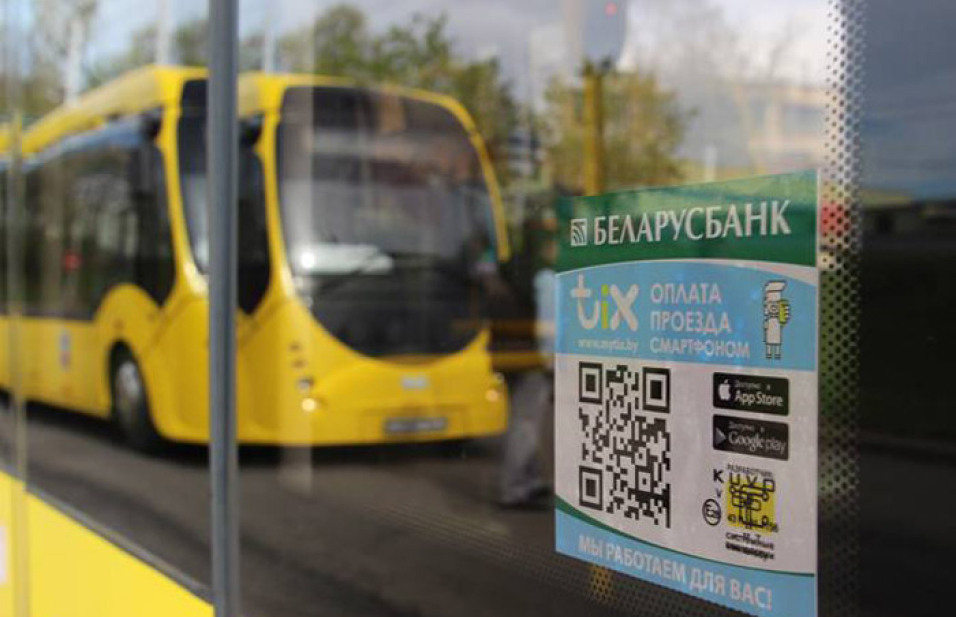
Belarusbank launched the project for payment
of trips
by Minsk public transports using smart phone – TIX service.
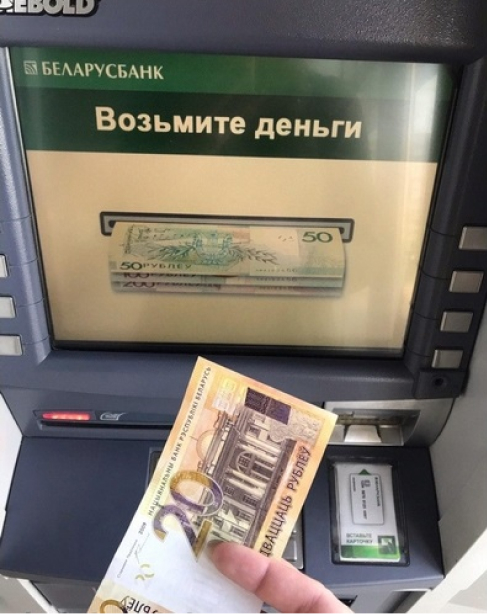
The Bank presented new money transfer "Khutki" allowing to receive cash from ATMs without card.
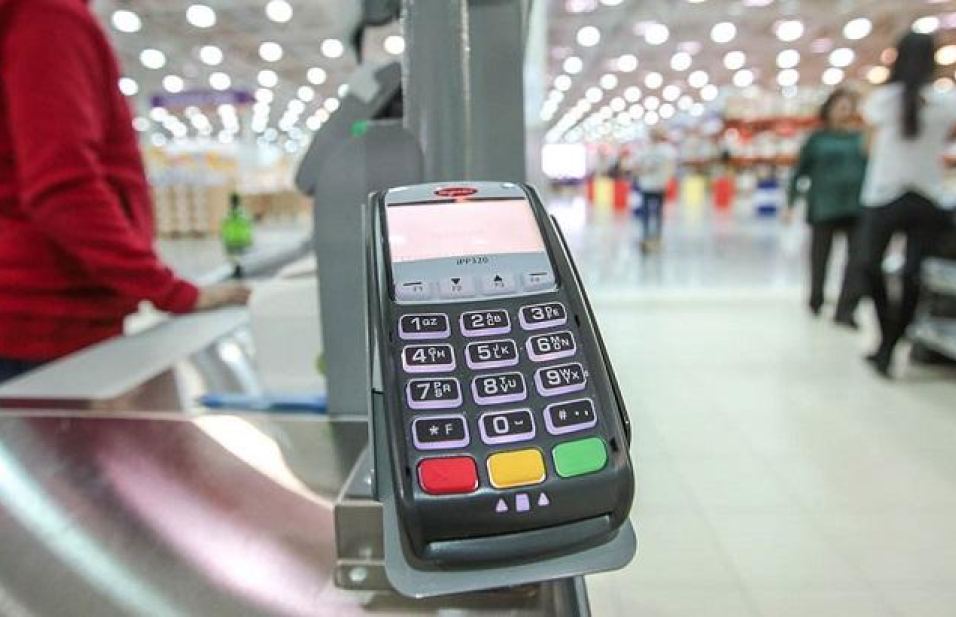
The Bank implemented a service for cash withdrawals at merchants by card holders.
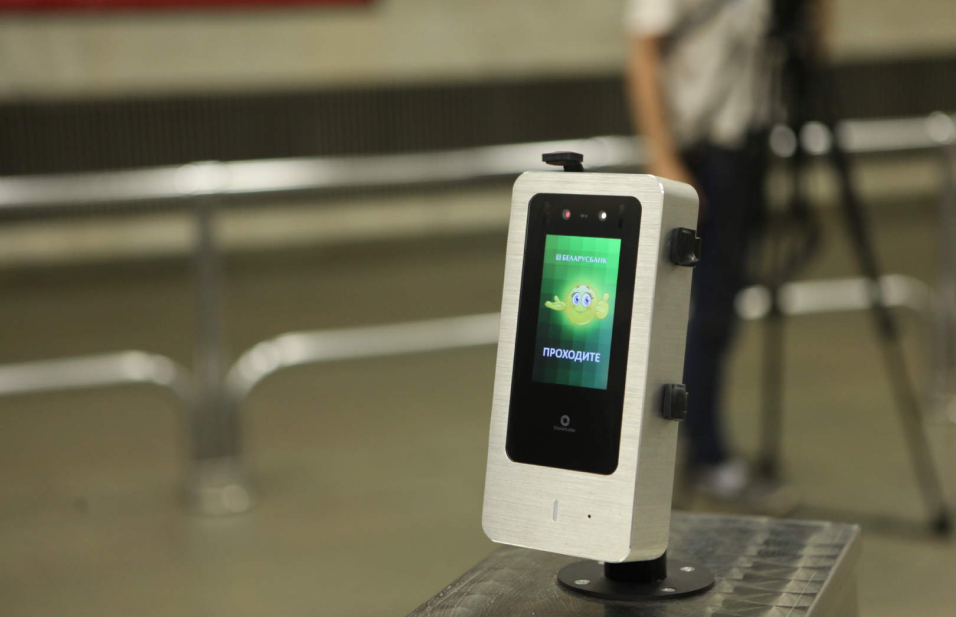
Belarusbank presented an innovative project "Look and pass".
Unique service allows to pay
the trip by metro using
technology of face recognition.
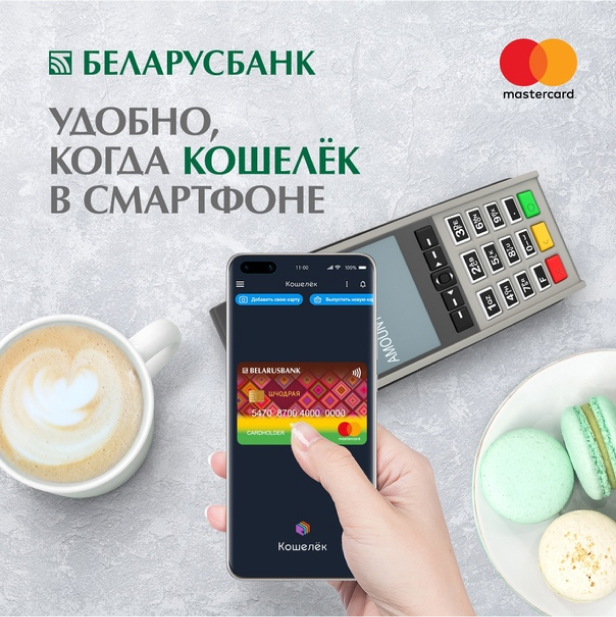
Belarusbank Maestro cards and Maestro
co-branded card
holders were the first
to access to the "Koshelek
Pay" service.
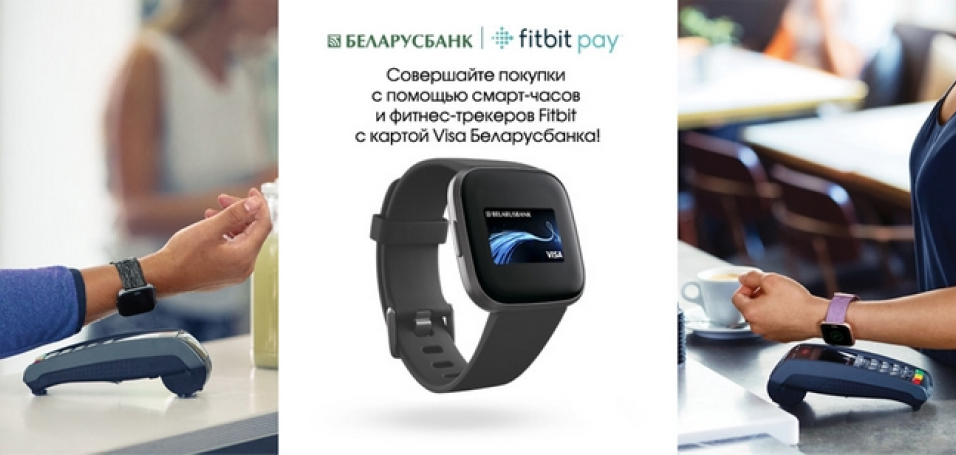
Belarsubank Visa, Mastercard, Maestro
and co-branded
Maestro card holders can add their payment cards to the Fitbit
Pay payment service. It allows to make purchases using Fitbit
smartwatches or fitness-trackers without using payment card or
phone.
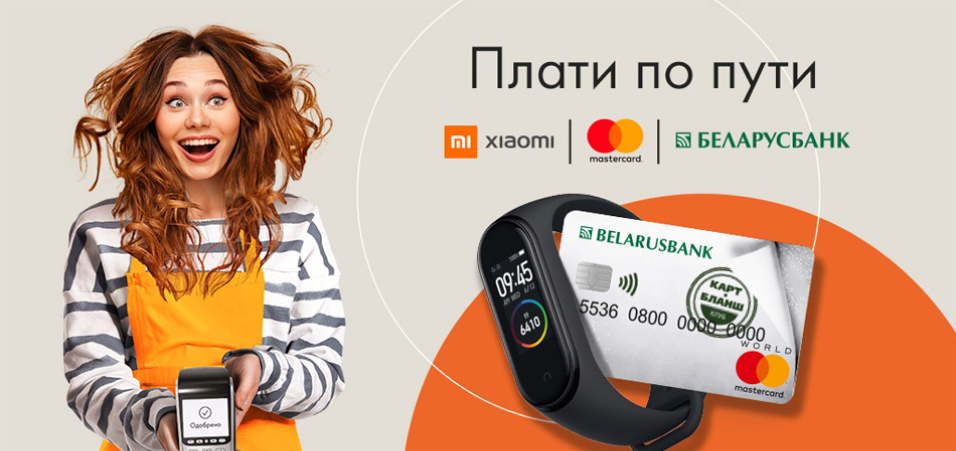
Belarsubank Mastercard card holders were one
of the
first in the country to get the opportunity to pay for purchases
using Mi Smart Band 4 NFC fitness tracker.
The first legal cryptocurrency exchange service was launched in Belarus: since November 2020, Belarusbank has offered the opportunity to Visa card holders to replenish e-wallets for further cryptocurrency purchase and sale.
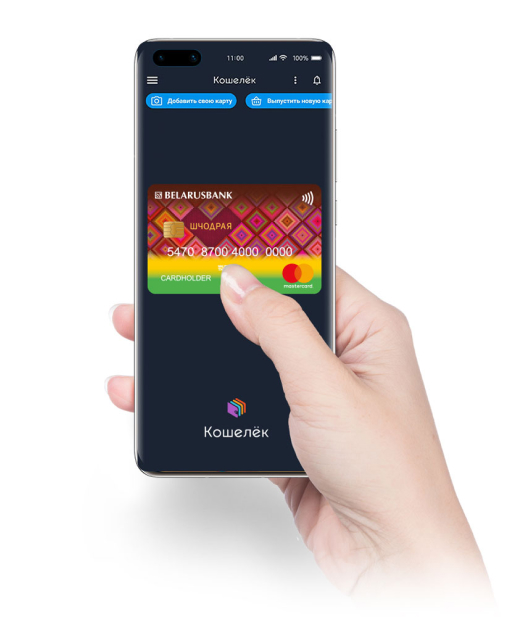
Belarusbank Visa card holders got access
to Koshelek
Pay payment service.
Belarusbank became a partner of new BYNEX Exchange designed for
dealing with Bitcoin
and Ethereum cryptocurrencies.
As a result
of the cooperation between the
bank
and ERPBEL Company, which has developed exchange
platform, players can replenish their accounts and withdraw
currency (Belarusian rubles and US dollars) with the lowest fee
using Visa payment card.
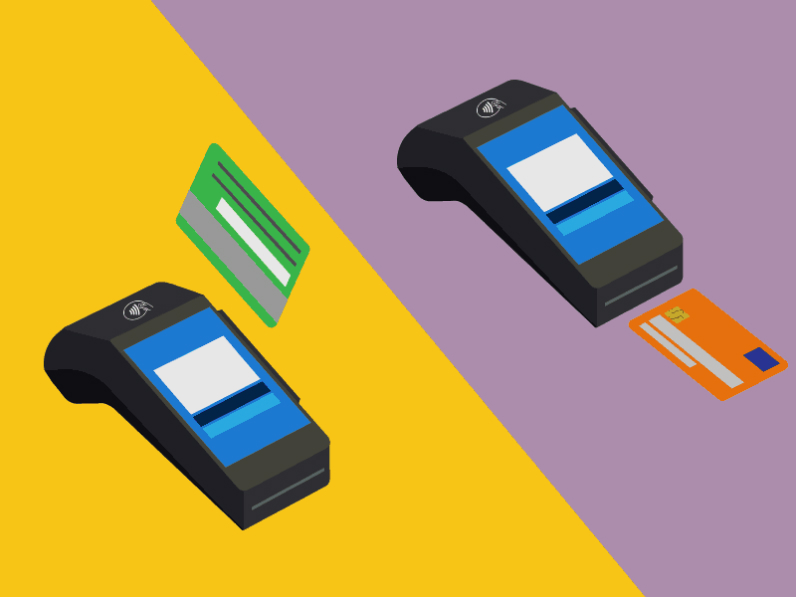
For merchants, Belarusbank implemented
the connection
to the Bank's acquiring network
of programmed
checkout – innovative device combining POS-terminal
functionality,
cash register and tax authorities
instrument
of control or operator's instrument of
control.
Belarusbank, Mastercard and Assist Company were first in the country to implement a new service for payments security: MDES for Merchants (М4М) tokenization technology became available to users.
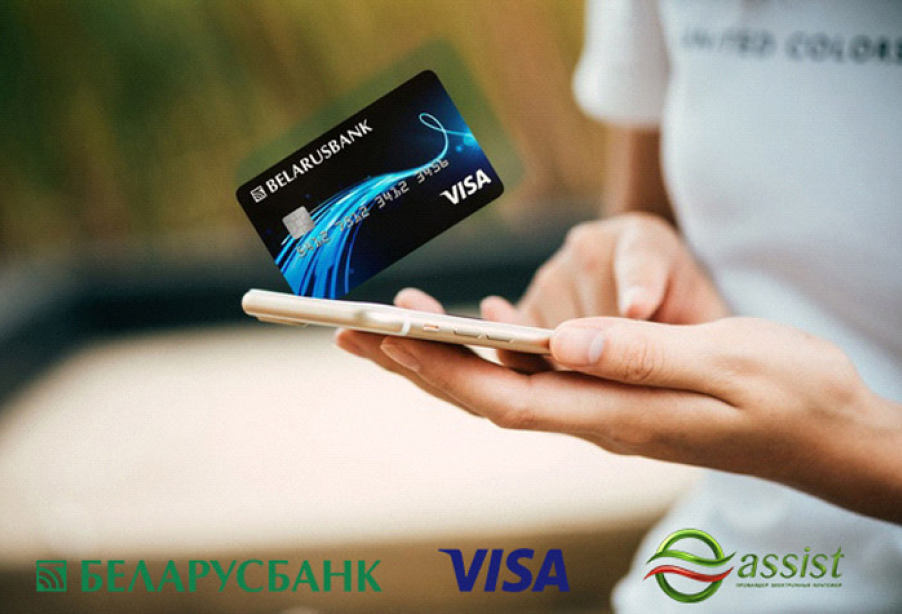
Belarusbank in partnership with Assist electronic payments provider implemented Visa Token Service (VTS) technology of Visa Global Payment Technologies Company.
